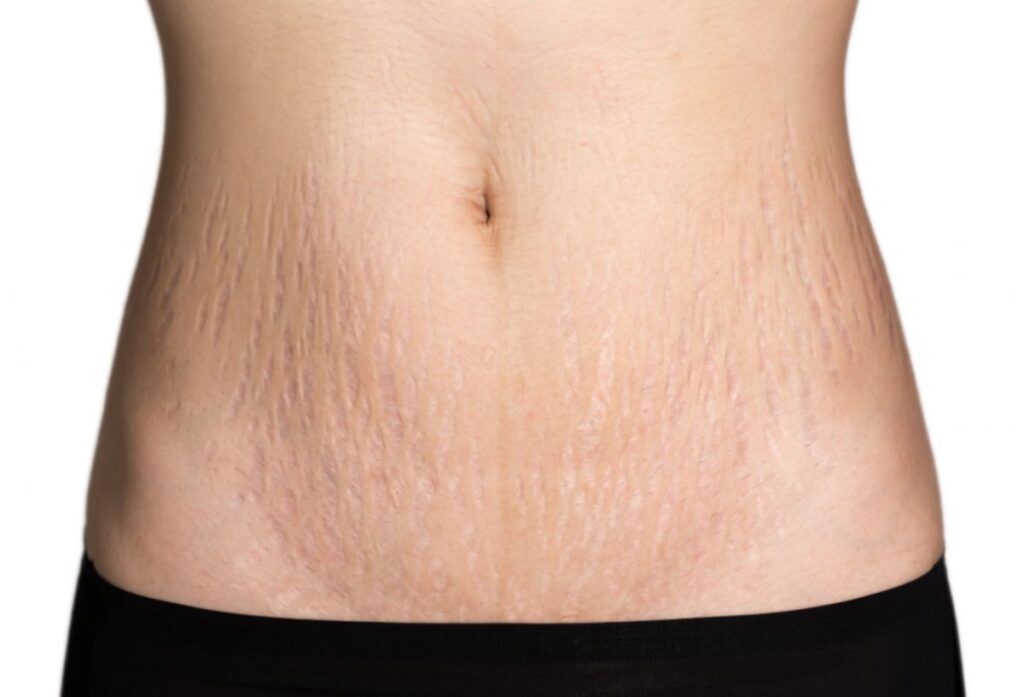
Stretch mark treatment covers the aesthetic procedures used to improve the appearance of stretch marks (striae), which form when collagen and elastin fibres in the dermis – the middle layer of the skin – tear under excessive stretching. These marks can appear on the abdomen, hips, thighs, breasts and arms after rapid weight gain or loss, pregnancy, growth spurts in adolescence, intensive bodybuilding or certain hormonal conditions.
When new, they are red or purple (striae rubrae); over time they lose their colour and become pearly white (striae albae). They can affect body image at the beach, the gym or in private, but modern dermatology offers effective options. Treatment aims to repair the damaged dermal structure, activate the skin’s capacity to renew itself and stimulate new, healthy collagen and elastin. Fractional laser, microneedling (Dermapen) and especially mesotherapy are the most effective tools, reducing the depth, width and colour of stretch marks for smoother, more even skin. At our clinic in Beşiktaş, Istanbul, I offer protocols tailored to each person’s stretch marks and skin type.
Why Do Stretch Marks Form and How Are They Treated?
The skin has three layers: epidermis, dermis and hypodermis. The collagen and elastin fibres responsible for strength, firmness and elasticity are in the dermis. When the body expands quickly – the abdomen in pregnancy, or bones in adolescence – the dermis cannot keep up; the network of fibres is overstretched and tears, and these dermal tears show on the surface as stretch marks.
At first, a healing process begins and blood vessels in the area dilate, so new stretch marks are red, pink or purple and often slightly raised. This early stage is the best time to treat, as the tissue is still active and has more repair potential. Later, the vessels retreat and the damaged tissue is replaced by thin, disorganised scar tissue, giving pearly white marks that are harder to treat because metabolic activity is lower.
Stretch mark creams and oils usually do little more than moisturise, as they cannot reach the dermis. Effective treatment needs professional procedures that target the dermal layer:
- Fractional laser sends microscopic columns of heat beneath the skin; repairing these tiny points triggers intensive collagen production that gradually replaces damaged tissue and reduces depth and width.
- Microneedling (Dermapen/dermaroller) creates thousands of micro-channels, triggering the natural wound-healing response and intensive collagen and elastin synthesis.
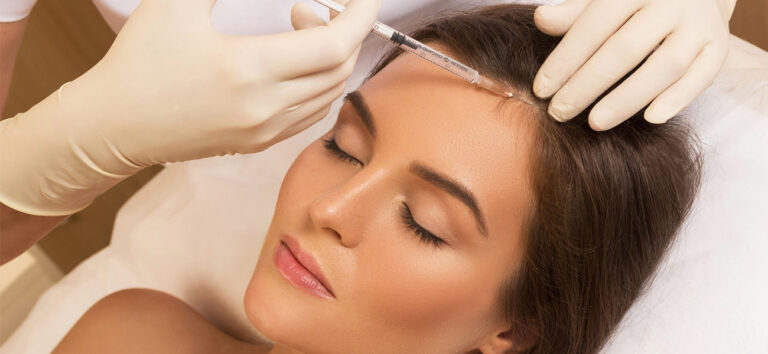
- Mesotherapy injects the “raw materials” for repair – hyaluronic acid, organic silicon, vitamins, amino acids and growth factors – directly into the dermis where the marks are. It is like sending workers to a construction site (laser/microneedling) and giving them the best materials (mesotherapy).
Treatment Options
There is no single “right” method; the most effective approach is usually a personalised, often combined protocol based on the type of stretch marks, age, skin and expectations, followed with patience and consistency.
Laser: one of the gold standards. Ablative fractional CO2 or Erbium:YAG lasers work on both new (red) and old (white) stretch marks, vaporising microscopic columns to resurface the top layer and thermally stimulating the dermis for strong collagen and elastin production. There is some redness and crusting afterwards, but once healed, depth and width are visibly reduced and the skin is firmer and smoother. Non-ablative fractional lasers heat only the dermis without damaging the surface, for a shorter, more comfortable recovery. For new red and purple marks, lasers that target blood vessels, such as the pulsed dye laser (PDL), help the colour fade towards normal skin tone.
Microneedling: a natural, effective method based on the skin’s own healing power. Sterile, single-use micro-needles create thousands of controlled micro-holes; growth factors rush to the area and stimulate fibroblasts to produce fresh collagen and elastin, which fill the base of sunken stretch marks so the skin rises and smooths. The channels also greatly increase absorption of repairing serums and mesotherapy products.
Stretch mark mesotherapy: injects essential nutrients directly into the damaged area. Organic silicon rebuilds connective tissue; vitamin C is a powerful antioxidant and key to collagen synthesis; hyaluronic acid adds intense hydration and volume; amino acids are building blocks of collagen and elastin; and growth factors and peptides orchestrate repair. It can be used alone or, for greater effect, in the same session as or alternating with laser or microneedling. Combining these three technologies according to each patient’s needs addresses every layer of the skin for faster, clearer and longer-lasting results.
A Personal Solution: The Process and Expectations
Consultation: Correct Diagnosis, Realistic Expectations
I take time to understand when and how your stretch marks formed, how they make you feel and what you expect from treatment. The areas are examined to assess their type (red or white), depth and width and your skin’s thickness, elasticity and colour. Red stretch marks respond faster as they are newer and still have active healing potential; white ones are older scar tissue and need more patience and a more intensive protocol. A personal plan then sets out which method or combination (laser, microneedling, mesotherapy etc.) will be used, the estimated number and frequency of sessions and what to watch for. Treatment aims not to erase stretch marks 100% but to improve them significantly so they are much less noticeable.
The Procedure: Comfortable and Safe
The area is cleaned with an antiseptic. For more invasive methods such as laser and microneedling, a strong local anaesthetic cream is applied about 45–60 minutes beforehand; for mesotherapy, with very fine needles, anaesthesia is not always needed. The chosen device or technique is applied according to the direction and depth of the stretch marks: controlled laser pulses, microneedling at right angles to the skin, or mesotherapy injections along the stretch mark lines. Depending on the area, it takes 20 to 60 minutes.
Recovery and Results
Recovery depends on the method: after mesotherapy there is usually only slight redness and you can resume normal life the same day; after microneedling, redness and sensitivity for 1–2 days is normal; after fractional laser, redness, swelling and light crusting may last a few days. Keeping the skin moisturised and protecting the treated area from direct sun for at least a month, with a daily SPF 50+ sunscreen, is essential to prevent pigmentation.
Results do not appear overnight, as collagen production takes time. Sessions are usually 3–4 weeks apart, the first noticeable results usually appear after the 2nd or 3rd session, and improvement continues for 3–6 months after the course as the skin renews itself. With a patient, consistent course, stretch marks become shallower, narrower, closer in colour to your skin and smoother in texture. Results vary between individuals.
Book Stretch Mark Treatment
We will assess together whether it suits you.
This page is for general information. Suitability, possible side effects and expected results are assessed at a medical consultation; results vary between individuals.