Cheek filler is a non-surgical aesthetic procedure for the cheek and cheekbone area, one of the cornerstones of facial aesthetics. It restores lost volume, creates a more defined, lifted contour and gives the whole face a “lifting” effect. Full, high cheekbones are one of the clearest signs of a young, dynamic face; when they lose volume with time or by nature, the expression can look tired, sad and dragged down.
The treatment uses hyaluronic acid fillers dense enough to imitate bone. At our clinic in Beşiktaş, Istanbul, I see it not simply as filling a hollow but as rebuilding the face’s architecture. The aim is to analyse each patient’s unique facial structure and restore the “triangle of youth” without exaggerated or artificial fullness, keeping the expression natural. Planned correctly, cheek filler does more than plump the cheeks: it also softens nasolabial folds, supports the under-eye area and helps define the jawline, for an overall refreshed look.
The Triangle of Youth: Why the Cheeks Matter
The “triangle of youth” describes the geometry of a young face: the base of the triangle sits high and wide at the level of the cheeks and cheekbones, and its point is at the chin. This V-shape gives a lively, attractive expression. The cheeks form its widest and most defining part; full, high cheekbones are the structural framework of the face and suspend the soft tissues above them. They reflect light at the right angle, brighten the face, emphasise the eyes and make the lower face look slimmer.
Ageing gradually reverses this geometry into a “triangle of ageing”, with the base sliding down. The main reason is multi-layered volume loss in the cheeks: deep and superficial fat compartments shrink and shift down, collagen and elastin production slows so the skin loosens, and the facial skeleton, including the cheekbone (zygoma), recedes as bone density falls. Losing both bony support and fat volume, the mid-face tissue slides down and causes a chain of changes: flatter cheekbones and hollow cheeks; deeper nasolabial folds; corners of the mouth turning down (marionette lines); sagging “jowls” along the jawline; and less support under the eyes, making bags and tear troughs more visible.
Many patients at our clinic in Beşiktaş say people keep asking whether they are tired, even when they are rested. Cheek filler is the key step of a holistic “liquid facelift” approach that restores lost structural support. Placed at the right points, it has a domino effect, improving many concerns of the lower face indirectly and very naturally.
Cheek Filler
Cheek filler is the injection of high-density hyaluronic acid fillers with good shaping capacity to correct volume loss in the cheek and cheekbone area, restore form and projection, and lift the mid-face for a younger look. Because the cheeks are the architectural foundation of the face, the right treatment here improves the balance of the whole face. Compared with a surgical facelift or cheek implants, it is a safer, more comfortable and faster alternative.
The fillers used are designed to imitate bone and give strong support in deep tissue. Their high “G-prime” means they stay in place, do not spread and can carry the soft tissue above, so filler placed on the cheekbone looks as if your own bone structure were more prominent. There are two main goals:
- Volumising: for naturally flat or hollow cheeks, or cheeks that have lost fullness through weight loss, filler in the front of the cheek (anterior cheek) gives a fuller, rounder, healthy look.
- Lifting and contouring: the most common anti-ageing approach. Injections at the highest point of the cheekbone and along its outer arch (zygomatic arch) lift sagging cheek tissue up and back like a suspension, softening nasolabial folds and marionette lines, reducing jowls and defining the jawline, for a more V-shaped, elegant look.
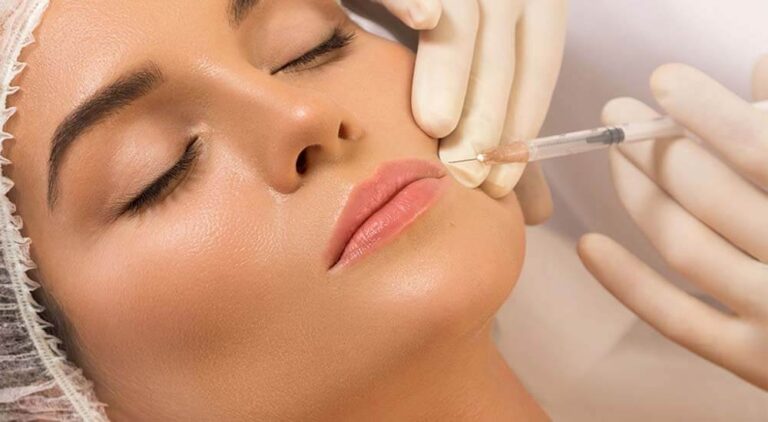
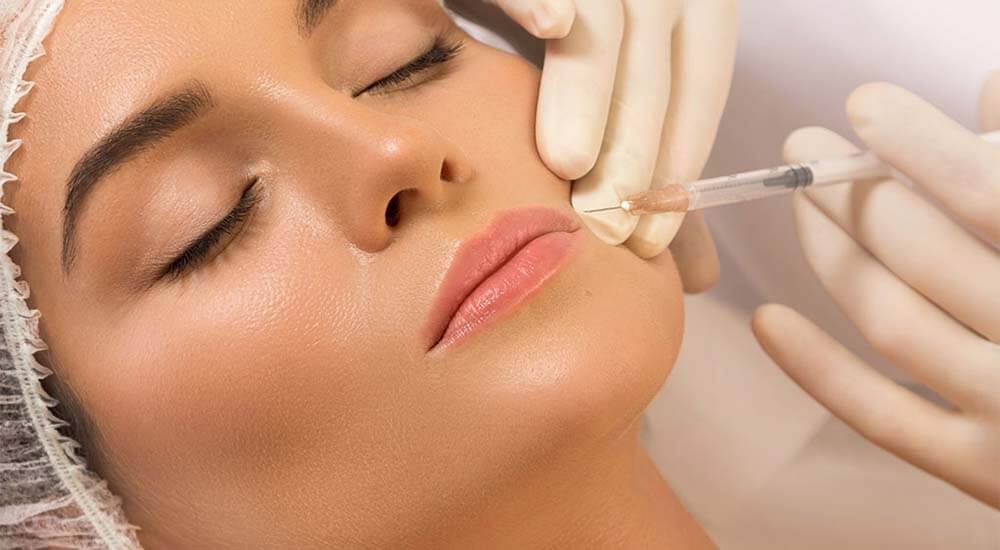
Patients usually want natural, understated results, so I create a personal “filler map” for each one. After a detailed facial analysis, the area is cleaned and a local anaesthetic cream applied. Injections can be made with fine needles or with blunt cannulas that cause less tissue trauma: deep injections on the bone are usually done with a needle, while a cannula may be used to spread filler evenly over wider areas and for superficial contouring. Both cheeks usually take 30–45 minutes, and the result is visible immediately: more lifted cheeks, a more V-shaped face and a more rested expression.
The Procedure and Techniques
Success depends not only on the filler but on the physician’s anatomical knowledge, aesthetic vision and technique. It begins with a detailed consultation in which your goals and concerns are discussed. I analyse your face at rest and in motion, assessing bone structure, skin quality and thickness, the position and volume of fat compartments and muscle activity, and decide whether you are suitable, which areas need filler, how much and which technique.
On the day, the face is cleansed and disinfected and a strong local anaesthetic cream is applied about 30 minutes beforehand; most modern fillers also contain lidocaine, which further reduces discomfort. The technique depends on the goal:
- Needle technique: used to give deep support imitating bone and to add projection at specific points. A fine needle reaches directly onto the bone (supraperiosteal plane) and small amounts of filler are placed as a bolus. Deep injections at the most prominent point of the cheekbone or along the zygomatic arch create a strong lifting effect.
- Cannula technique: blunt, flexible cannulas are used to spread filler evenly over wider areas and in more superficial layers. Usually from a single entry point, the cannula is moved in different directions and filler is left in linear threads as it is withdrawn. It greatly reduces the risk of vessel and nerve damage, bruising and swelling, and is ideal for volumising the front of the cheek or smoothing the transition between cheek and under-eye.
Often a combination gives the best result: structural support in deep planes with a needle and smoothing and contouring in superficial planes with a cannula. Usually 1 ml to 3 ml of filler is used per cheek, and gentle massage afterwards helps it settle evenly. From planning to treatment, it takes about 45–60 minutes.
Who Is It Suitable For and How Long Does It Last?
Cheek filler is excellent for a wide range of people unhappy with the look of their mid-face who want a younger, healthier, more attractive expression; it addresses signs of ageing and also strengthens naturally weak features. The most suitable candidates are:
- Age-related volume loss: the most common indication. From their thirties, many people notice their cheeks losing fullness, their cheekbones flattening and their face starting to sag; filler restores volume and lifts.
- Naturally flat cheeks: people of any age, including younger patients, without prominent cheekbones can gain more defined, higher cheekbones and more character.
- Asymmetrical cheeks, where differences in volume or shape can be balanced.
- Thin, hollow faces: after significant weight loss or with a very slim build, filler can give a healthier, fuller, more energetic look.
- Those seeking a lifting effect without surgery: strategically placed cheek filler is an effective “liquid lift” that softens nasolabial folds and jawline sagging.
Longevity depends on the type, density and cross-linking of the filler, the amount injected and your metabolism. On average, cheek filler lasts 12 to 24 months, sometimes longer. It is then gradually and safely absorbed and the cheeks slowly return to their earlier look. Hyaluronic acid fillers are also known to stimulate some new collagen, so after regular treatments the cheeks often do not fully return to their original state and less filler may be needed next time. Cheek filler does not change your face completely; it improves your existing anatomy and reveals a more rested, healthier, younger version of you. Done by an experienced physician, its results are very natural and satisfying.
Book Cheek Filler
We will assess together whether it suits you.
This page is for general information. Suitability, possible side effects and expected results are assessed at a medical consultation; results vary between individuals.