
Ozone therapy is an innovative, biological treatment method that uses medical-grade ozone gas to activate the body’s own potential for healing and renewal. Ozone (O3), which we know as the shield in the upper atmosphere protecting our planet from harmful ultraviolet rays, is an active molecule made up of three oxygen atoms. When used medically at the right doses and with the right methods, this active structure triggers a series of positive biological responses in the body, creating a revitalising and detoxifying effect at cellular level. Rather than masking a particular condition, the treatment aims to support the body’s overall health balance. Offering support against the chronic fatigue, oxidative stress, weakened immunity and accelerated ageing that come with modern life, ozone therapy is less a drug treatment and more a stimulus that reminds the body “how to work more healthily”. Because every person’s biology and health needs are different, it is most effective when planned with personalised protocols. The experience, knowledge and holistic approach of the doctor are therefore critical. In a fast-paced city like Istanbul, interest in such supportive treatments to strengthen the body’s resilience and improve quality of life grows every day. In Beşiktaş, Dr. Selin Zehra Uçar combines ozone therapy with current medical knowledge and a patient-centred, empathetic approach to offer her patients comprehensive support for health and wellbeing. This article covers the science behind ozone therapy, its uses and its effects on your health.
Ozone therapy is a complementary (traditional and complementary medicine) approach. It does not replace the diagnosis or treatment of any disease by the relevant specialist, and is planned only after a medical assessment.
Health Through Cellular Renewal: How Ozone Therapy Works
To understand ozone therapy, it helps to know the concept of “oxidative stress”. Oxidative stress is an imbalance between free radicals (unstable molecules) and antioxidants (the protectors that neutralise them) in the body. This imbalance can lead to cell damage, chronic inflammation and faster ageing. Ozone therapy works by giving the body a controlled, low-dose oxidative stimulus through the ozone molecule. This acts somewhat like a “training” signal: the body responds by activating its own antioxidant defences and repair mechanisms more strongly. The mechanism is based on the biological principle known as “hormesis”, in which a low-dose stressor increases the organism’s resilience to that stressor.
The main proposed effects of ozone therapy can be grouped as follows:
Improved circulation: Ozone is thought to increase the oxygen-carrying capacity and flexibility of red blood cells, helping them pass more easily through the smallest capillaries and deliver more oxygen to tissues. Better oxygenation supports tissue function and wound healing, which is why ozone has been studied in conditions ranging from diabetic foot wounds to circulatory disorders.
Modulation of the immune system: Ozone therapy is believed to help balance the immune system by regulating chemical messengers called cytokines, supporting the body’s defences while calming excessive inflammatory responses.
Antimicrobial effect: Ozone is one of the strongest known disinfectants and can inactivate bacteria, viruses and fungi on contact. This is why it is used topically on infected wounds and, in some clinics, as a complementary approach alongside standard medical treatment of chronic infections.
Antioxidant support and anti-ageing: By activating the body’s own antioxidant enzyme systems (glutathione peroxidase, catalase, superoxide dismutase), ozone therapy may help protect against cellular damage caused by free radicals. This can support detoxification, give the skin a brighter, more vibrant look and slow aspects of the ageing process. The ozone therapy protocols used at Dr. Selin Zehra Uçar’s clinic in Beşiktaş take these mechanisms into account to create a personalised wellness and anti-ageing strategy for each person.
Ozone Therapy Methods
Ozone therapy is a general term covering several procedures in which medical ozone is given to the body in different ways. The method is chosen carefully according to the patient’s general health, the condition being addressed and the doctor’s assessment. Each method uses the biological effects of ozone differently, giving the treatment a flexible and wide range of applications. At Dr. Selin Zehra Uçar’s clinic in Beşiktaş, the most suitable, safest and most effective method for the patient is decided after a detailed consultation and assessment. Let’s look more closely at the common methods:
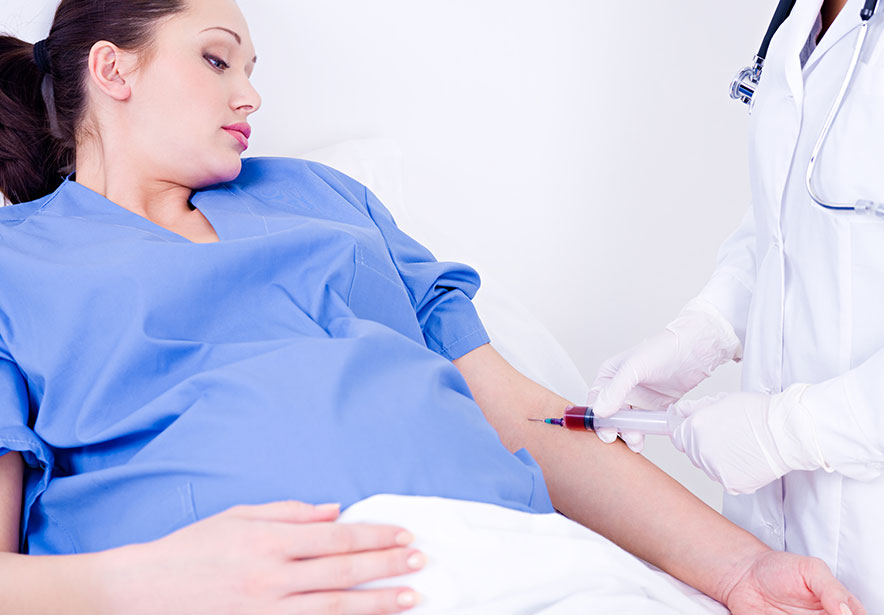
Major autohaemotherapy: This is the most frequently used method with the most systemic effect. About 100–150 ml of blood is drawn from the patient through a sterile, single-use set into a special ozone-resistant medical bottle or bag. Medical ozone gas at a dose determined by the doctor is then added to the blood, where it reacts with the blood cells within seconds. The ozone-enriched blood is then slowly returned to the body through the same vein. The whole process takes about 30 minutes and, because it takes place in a completely closed system, it is very safe. This method is the most widely used protocol for immune support, chronic fatigue, fibromyalgia, circulatory problems and general anti-ageing purposes.
Minor autohaemotherapy: A much smaller amount of blood (usually 3–5 ml) is drawn, mixed with ozone gas at the set dose and injected into a muscle (usually the buttock). It works on the principle of a kind of “autovaccine” using the patient’s own blood and is preferred in protocols aimed at allergic conditions, skin problems such as acne and psoriasis, and immune modulation.
Rectal insufflation: Although it may sound unusual at first, this is one of the most practical ways of giving ozone. The rectal mucosa has a rich network of blood vessels for gas absorption. Using a thin catheter, a set amount of ozone gas is given rectally, painlessly. This method is used in particular to support gut flora and liver detoxification, and is an excellent alternative for patients in whom a vein cannot be accessed for major autohaemotherapy.
Topical (external) applications: Ozone is applied directly to the skin using ozonated oils or a special bag (ozone bagging). This method is used especially for slow-healing diabetic wounds, infected skin lesions, burns and fungal infections, taking advantage locally of ozone’s disinfecting and wound-healing effects.
For people living in a metropolis like Istanbul, these different ozone therapy methods offer personalised support against the health challenges of modern life.
Benefits and Uses of Ozone Therapy
A notable feature of ozone therapy is that it supports the body’s overall functioning rather than focusing on a single area. By supporting the body’s use of oxygen, its defences and its detoxification capacity, it is valued as a complementary support. At Dr. Selin Zehra Uçar’s clinic in Beşiktaş, ozone therapy is used with the aim of improving quality of life and supporting people in managing chronic complaints, always alongside, not instead of, any medical treatment they need.
Clinical uses and potential benefits:
Chronic fatigue and fibromyalgia: Both conditions involve widespread muscle pain, deep fatigue and low energy. Ozone therapy may support energy levels by improving mitochondrial function and tissue oxygenation, and its anti-inflammatory effect may help ease pain.
Immune support: For people prone to recurrent infections, ozone therapy courses, for example before the winter months, are used to support the body’s resilience. In some chronic infections it is used as a complementary support to standard medical treatment, never as a substitute for it.
Anti-ageing and skin health: Ageing is essentially a process of chronic oxidative stress and inflammation. By supporting the body’s antioxidant capacity and improving circulation and oxygenation, ozone therapy can help the skin look brighter, firmer and more vibrant.
Circulatory problems: In conditions where blood flow is reduced, such as peripheral arterial disease, ozone therapy may help relieve symptoms by improving blood flow and tissue oxygenation, as a complement to vascular treatment.
Neurological conditions: Research is ongoing into whether reducing chronic inflammation and oxidative stress with ozone may offer support in neurodegenerative conditions. Any use in these areas must be coordinated with the patient’s neurologist.
Sports performance and recovery: Some athletes use ozone therapy to support recovery from muscle strain after intense training and to support overall performance.
This wide range of uses explains why ozone therapy has become part of many holistic medicine practices.
Your Ozone Therapy Journey in Istanbul: What to Expect
Knowing how the process works and what to expect will ease any concerns and increase your confidence in the treatment. At her clinic in Beşiktaş, ozone therapy with Dr. Selin Zehra Uçar is a carefully planned, patient-centred and transparent experience.
1. First Step: A Comprehensive Assessment and Personal Plan
Everything begins with listening to your story. At your first consultation, Dr. Selin Zehra Uçar learns in detail about your current health, complaints, lifestyle, eating habits and medical history, and talks openly about your expectations and goals. If needed, diagnostic tests such as blood tests may be requested, particularly to see antioxidant levels, inflammation markers and general health parameters. Based on all this information, a personalised ozone therapy protocol is created, including the method (major, minor, rectal, etc.), the number and frequency of sessions and the ozone dose. For example, the protocol for an athlete looking to improve performance will be different from that for someone with chronic fatigue. This personalisation is key to the success of the treatment.
2. The Sessions: A Comfortable, Safe Experience
Once your plan is ready, your sessions begin in a comfortable, hygienic environment. If major autohaemotherapy is used, you sit in a comfortable chair and an experienced health professional places an IV line using single-use, sterile materials. Drawing, ozonating and returning the blood takes about 30–40 minutes, during which you can read, listen to music or simply rest. You do not feel any pain or significant discomfort. Dr. Selin Zehra Uçar and her team stay in contact with you throughout and keep you as comfortable as possible. Ozone therapy is usually given as a course of 10–12 sessions, once or twice a week, but this is adjusted entirely to your individual situation.
3. Effects and Aftercare
The effects of ozone therapy are usually cumulative, becoming more noticeable as the sessions progress. Some patients say they feel more energetic even after the first session, while noticeable improvement is usually felt after the 3rd or 4th session. When the course is complete, people commonly report more energy, better sleep, less pain, stronger resilience and a general sense of wellbeing. To maintain the effects, “maintenance” sessions once a month or every few months may be recommended. Dr. Selin Zehra Uçar will also advise you on lifestyle, nutrition and supplements to make the most of the treatment. Remember that ozone therapy is not a magic wand; it reveals its real potential when combined with healthy lifestyle habits.
Book Ozone Therapy
We will assess together whether it suits you.
This page is for general information. Suitability, possible side effects and expected results are assessed at a medical consultation; results vary between individuals.