On this page
- A Holistic View of Mesotherapy: Philosophy and Mechanism of Action
- The Treatment Process, Expectations and Aftercare
- What Is Mesotherapy?
- What Is Mesotherapy? A Medical and Academic Perspective
- Skin Rejuvenation with Facial Mesotherapy (Mesolift): Regain Your Glow
- The Role of Mesotherapy in Pain Management
- Expert Advice for Recovery and Aftercare
What is mesotherapy? This question opens the door to a treatment we hear about more and more in aesthetic and medical practice, and one that attracts the interest of both women and men. Aiming to give the skin and body the support they need in the purest and most effective way, this method actually has a long history going back to the work of Dr. Michel Pistor in 1952. The environmental factors, stress and natural ageing that people living in cities like Istanbul are exposed to can cause the skin and hair to lose their vitality over time. This is where we, at our clinic in Beşiktaş, carefully analyse each patient’s individual needs and expectations and offer a personalised journey of repair and renewal. Mesotherapy is the delivery of valuable ingredients such as vitamins, minerals, amino acids, enzymes and hyaluronic acid, prepared for each individual, directly into the mesoderm, the middle layer of the skin, through micro-injections. By acting directly on the problem area, we aim for maximum benefit while minimising the risk of systemic side effects. This approach targets not only the symptoms but the root of the problem, activating the skin’s own repair and renewal mechanisms. The core philosophy of the treatment is “a little, in the right place”, which makes it both safe and highly effective. From the moment you step into our clinic, you will find an approach that understands and listens to you and combines academic knowledge and experience to create the treatment protocol best suited to you. Our aim is not just to offer you a treatment, but an experience that helps you feel better, healthier and happier. Mesotherapy offers your skin a kind of “elixir of life”, helping it look brighter, firmer and younger.
A Holistic View of Mesotherapy: Philosophy and Mechanism of Action
Mesotherapy is an elegant and effective medical aesthetic treatment based on the philosophy of revealing the skin’s natural potential. To understand it, we first need to understand the structure and needs of our skin. The skin is our first barrier against the outside world and is constantly under attack from external and internal factors such as UV rays, pollution and stress. Over time, these factors slow down the skin’s collagen and elastin production, cause it to lose moisture and weaken its circulation. The result is dullness, fine wrinkles, pigmentation and sagging. However well conventional skincare products moisturise the epidermis, the top layer of the skin, they struggle to reach the middle layer, the mesoderm, where real repair and renewal take place. This is where mesotherapy comes in: delivering the nutrients the skin needs directly to the target tissue. At our clinic in Beşiktaş, Istanbul, Dr. Selin Zehra Uçar shapes this philosophy around each patient’s unique needs. A personalised cocktail is injected about 1–4 mm beneath the skin using very fine needles. The cocktail may contain amino acids, the building blocks of the skin; antioxidant vitamins (such as A, C and E); minerals that regulate circulation; hyaluronic acid to increase moisture capacity; and growth factors that stimulate the fibroblast cells responsible for the skin’s firmness.
The treatment works in two ways. The first is the pharmacological effect of the injected solution: for example, hyaluronic acid provides intense hydration, while vitamin C triggers collagen synthesis and offers antioxidant protection. The second is the mechanical effect of the micro-needles themselves. The thousands of micro-channels created in the skin trigger the body’s natural wound-healing response, increasing blood flow to the area and stimulating fibroblasts to produce new collagen and elastin fibres. In other words, the skin repairs and rebuilds itself. Rather than offering the skin a temporary external solution, mesotherapy starts a process that repairs and strengthens it from the inside out. When the treatment plan is created, many factors are considered, including age, skin type, lifestyle and the main concern (pigmentation, wrinkles, dryness, hair loss, etc.). This holistic approach maximises the success of the treatment and patient satisfaction. Our aim is not only aesthetic improvement but also protecting the health of the skin in the long term. The most honest answer to “what is mesotherapy?” is: the care you show your skin, combined with science in its most effective form.
Types of Mesotherapy by Treatment Area: Face, Hair and Body
Because it is so versatile, mesotherapy can address a range of aesthetic and medical concerns in different parts of the body. As the anatomy, skin characteristics and needs of each area differ, the products and techniques used also vary by area. At our clinic in Beşiktaş, Istanbul, we identify the most suitable mesotherapy protocol for each patient’s concerns and create a personalised treatment plan.
Facial Mesotherapy (Mesolift)
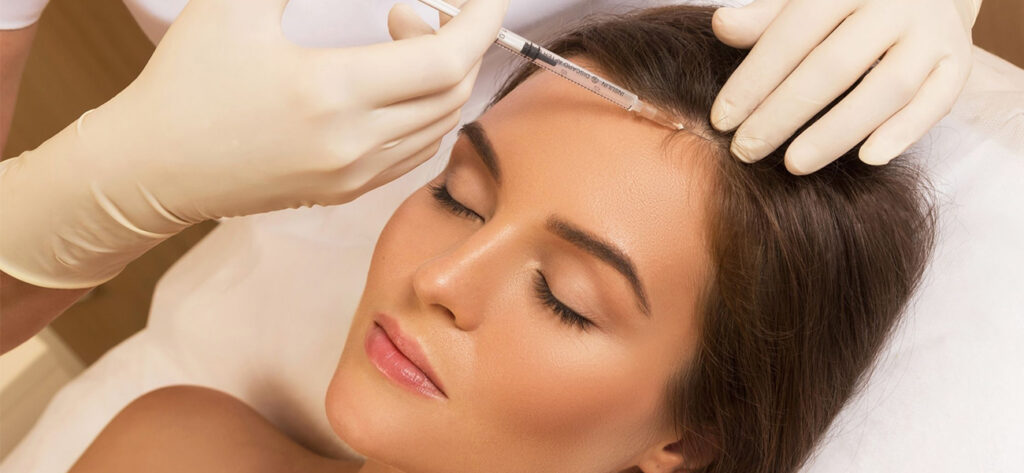
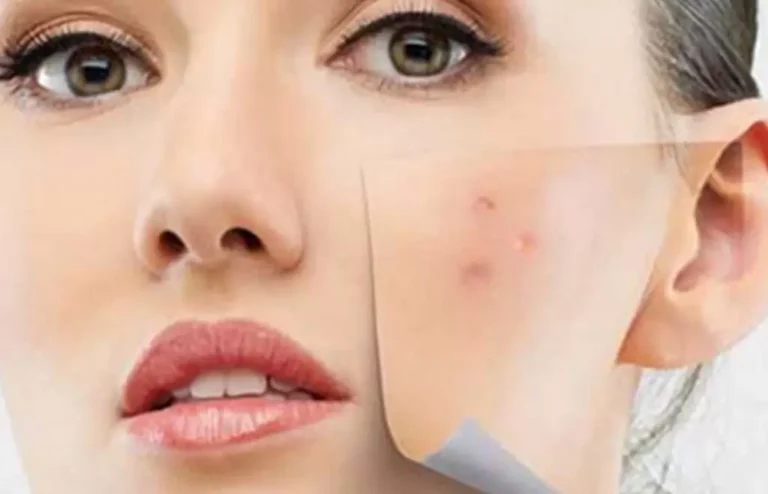
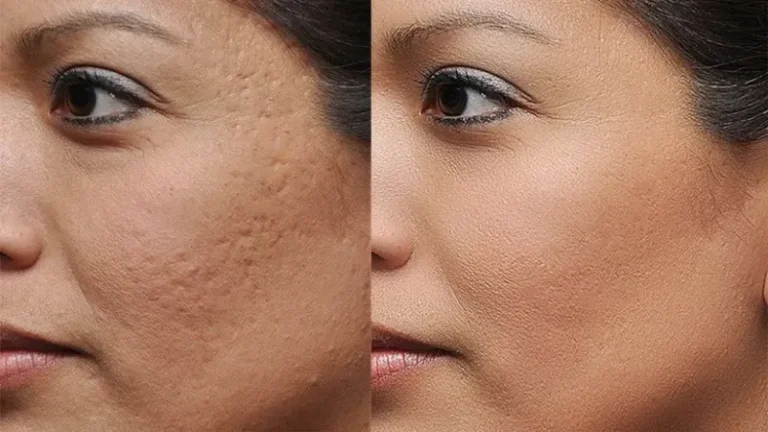
The face is where the effects of time and the environment are most visible. Facial mesotherapy, more popularly known as mesolift, is an anti-ageing treatment that aims to restore the skin’s lost vitality, radiance and elasticity. Restorative ingredients such as hyaluronic acid, antioxidants, vitamins, minerals and salmon DNA (polynucleotides) are injected into the middle layer of the skin. These ingredients increase collagen and elastin production, reducing the appearance of fine wrinkles, hydrating the skin deeply and evening out skin tone for a brighter appearance. In tired, dull and lifeless skin especially, it creates a visible revitalisation and “lifting” effect from the first session. Also used as a supportive treatment for acne scars and sun spots, facial mesotherapy improves the overall health and quality of the skin, helping you achieve a fresher, more rested look.
Hair Mesotherapy
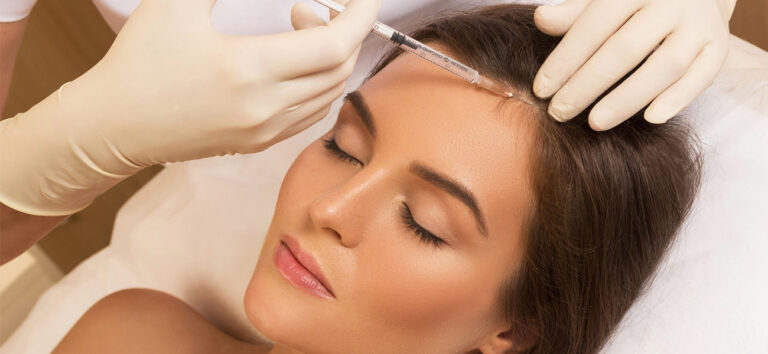
Hair loss is a common problem affecting both women and men. Genetics, hormonal changes, stress, nutritional deficiencies and seasonal changes can weaken the hair follicles and increase hair loss. Hair mesotherapy involves injecting the vitamins, minerals, amino acids and circulation-boosting agents the follicles need directly into the scalp. This revitalises follicles with weakened circulation and poor nourishment. The treatment aims to reduce hair loss, improve the quality of existing hair so it becomes thicker and shinier, and stimulate dormant follicles to support new growth. It is also often used before or after hair transplant surgery to strengthen the follicles and support the success of the operation. Very good results are seen in hair loss related to the stress of living in a fast-paced city like Istanbul.
Body Mesotherapy: Cellulite and Localised Slimming
Body mesotherapy is an effective method used especially for treating cellulite and reducing localised fat. Cellulite is the orange-peel appearance of the skin caused by impaired blood and lymphatic circulation and an increase in fat tissue. In cellulite mesotherapy, special formulations that regulate circulation, reduce oedema and break down fat cells (lipolytic) are injected beneath the skin. This restructures the damaged connective tissue, speeds up blood flow and visibly improves the appearance of cellulite. For localised slimming, mesotherapy applied to areas such as the abdomen, hips and arms breaks down the walls of fat cells and makes it easier for the body to eliminate them. Although it is not a weight-loss method, it is very successful in removing localised fat that resists diet and exercise and in shaping body contours.
The Treatment Process, Expectations and Aftercare
Deciding on mesotherapy is as important as the treatment itself. Feeling informed and safe at every step directly affects your results and satisfaction. At our clinic in Beşiktaş, Istanbul, we manage this process with a transparent, empathetic and fully personalised approach, and offering a detailed guide to the process, expectations and aftercare is our priority.
First Consultation and Planning
Everything begins with a detailed consultation in which your medical history, lifestyle, expectations and concerns are carefully discussed. Your skin or the area to be treated is analysed in detail, the main source of the problem is identified, and the content of your mesotherapy cocktail and treatment protocol are created. How many sessions are needed, the intervals between them and what results to expect are clearly explained. Do not hesitate to ask any questions at this stage. Our aim is to build communication based on mutual trust and to begin the treatment fully in agreement.
The Treatment: A Comfortable, Safe Experience
On the day of treatment, the area is cleansed with an antiseptic solution. Although the procedure is generally painless, a local anaesthetic cream can be applied about 20–30 minutes beforehand for patients sensitive to needles, making the procedure very comfortable. The mesotherapy solution prepared for you is then injected into the middle layer of the skin at set intervals using very fine, short needles. Depending on the size of the area, the procedure usually takes 15 to 30 minutes. What you feel is usually a slight prick. In Dr. Selin Zehra Uçar’s experienced hands, the process is quick, effective and causes minimal discomfort.
Sessions and Results
Mesotherapy is usually given as a course. Its effects appear over time, in parallel with the skin’s renewal process. The first effects usually become noticeable after 2–3 sessions, with the skin looking more hydrated, radiant and vibrant. In hair mesotherapy, a reduction in hair loss is usually noticed after 3–4 sessions. Depending on the desired result, the protocol is usually planned as 4–8 sessions at 1–4 week intervals. Maintenance sessions every 3–6 months are recommended to sustain the results. Results vary from person to person according to skin condition, age and lifestyle. Patience and following the treatment plan are the key to the best results.
Aftercare and Side Effects
You can return to daily life immediately after mesotherapy. However, there are some important points to follow to increase the effectiveness of the treatment and minimise possible side effects.
- Do not wet the treated area or take a bath for the first 12–24 hours.
- Mild redness, small bruises or swelling at the injection sites are normal and usually pass on their own within a few days.
- Avoid very hot environments such as saunas and Turkish baths, intense sun exposure and sunbeds for a few days after treatment.
- It is recommended not to wear make-up on the treated area for 12 hours.
- If you take blood-thinning medicines or supplements (such as aspirin, vitamin E or fish oil), tell your doctor and follow their advice.
- Drinking plenty of water will support the skin’s healing process.
Our clinic continues to support you after treatment and is only a phone call away for any questions. This support is an integral part of the service we offer in Beşiktaş, Istanbul.
What Is Mesotherapy?
What is mesotherapy? We can define mesotherapy as the art of delivering the support the skin and body need directly to the problem area through tiny injections; it is essentially a “targeted treatment” protocol. A personalised cocktail of valuable ingredients such as vitamins, minerals, amino acids, enzymes and hyaluronic acid is injected into the mesoderm, the middle layer of the skin. In this way, active ingredients that might lose their effectiveness in the circulation are delivered exactly where they are needed. Against the negative effects on the skin of the environmental factors, stress and busy pace of life in cities like Istanbul, mesotherapy offers an opportunity for renewal and revitalisation. Its core philosophy is to activate the skin’s own repair and renewal mechanisms, aiming for lasting, natural results by addressing the root of the problem rather than suppressing symptoms. This is also one of the cornerstones of the holistic approach to beauty we follow at our clinic in Beşiktaş: trusting the body’s natural intelligence and supporting it in the right way. Mesotherapy is used not only for aesthetic concerns but also effectively in a number of medical conditions, and this versatility makes it one of the most dynamic and promising areas of modern medicine.
What Is Mesotherapy? A Medical and Academic Perspective
From a medical and academic perspective, mesotherapy can be defined as the administration of small doses of pharmacological agents, vitamins, plant extracts and other bioactive substances to the target tissue through intradermal or subdermal injections. The technique was founded in 1952 by the French physician Dr. Michel Pistor, whose core principle can be summed up as “a little, rarely, in the right place” (peu, rarement, au bon endroit). This principle aims to achieve maximum effect and minimum risk by delivering medicines that might lose their effectiveness or cause unwanted side effects in the systemic circulation in much lower doses directly to the affected area. In terms of its mechanism of action, mesotherapy is based on three main theories: the pharmacological effect, the physical (mechanical) stimulation effect and the reflex effect on microcirculation. The pharmacological content of the injected solution plays a direct therapeutic role according to the condition being treated. For example, lipolytic agents such as phosphatidylcholine are used in mesotherapy for lipolysis (fat reduction), while hyaluronic acid, vitamins and antioxidants are preferred for skin rejuvenation. Secondly, the micro-trauma created by the needle itself acts as a physical stimulus. These tiny traumas trigger the skin’s natural wound-healing mechanisms: the body sends growth factors to repair the area, increases fibroblast activity and starts the synthesis of new collagen and elastin fibres. This process contributes to firming, increased elasticity and restructuring of the skin, an important factor in strengthening the skin’s defences against the wearing effects of big cities like Istanbul. Finally, the injections stimulate microcirculation, that is, blood and lymph flow in the area. Better circulation delivers more oxygen and nutrients to the tissues and helps remove toxins and metabolic waste more effectively. At our clinic in Beşiktaş, we create personalised treatment protocols for each patient with these three mechanisms in mind. Dr. Selin Zehra Uçar believes that success depends on the combination of the right diagnosis, the right choice of cocktail and the right technique, which is why each patient’s skin structure, needs and expectations are analysed in detail to determine the most suitable mesotherapy approach.
Skin Rejuvenation with Facial Mesotherapy (Mesolift): Regain Your Glow
Our face is like a mirror reflecting our mood, our tiredness and our happiness. Over time, however, the stress of a metropolis like Istanbul, the harmful effects of the sun, smoking, lack of sleep and pollution can take away this mirror’s shine. The skin becomes dull, loses elasticity, and fine lines and wrinkles start to appear. This is where facial mesotherapy, also known as mesolift, comes in to restore the skin’s lost vitality and youthful glow. It is one of the finest expressions of the philosophy of “being the best version of your age”. Our aim is not to turn you into someone else but to reveal your skin’s natural potential for a healthier, fresher and more rested look. At her first consultation, Dr. Selin Zehra Uçar always emphasises that this is a journey in which you will listen to your skin’s needs together. Facial mesotherapy involves injecting a rich cocktail of the skin’s building blocks, such as hyaluronic acid, antioxidants, vitamins (A, C, E), minerals, amino acids and salmon DNA, into the middle layer of the skin with tiny needles. This mixture immediately increases the skin’s moisture capacity and triggers collagen and elastin production, helping the skin firm up and regain its tone, like a “youth booster” for the skin. Discomfort during treatment is minimal and is usually made even more comfortable with anaesthetic creams. Because you can return to daily life immediately, mesotherapy is particularly attractive for people with busy lives. The effects of facial mesotherapy build up as the sessions progress. A revitalisation and glow are noticeable from the first session; with further sessions, fine lines become less visible, skin tone evens out and the skin becomes fuller, firmer and more elastic. What matters is a personalised treatment plan, with the number and frequency of sessions set according to the age, condition and needs of the skin. Remember, mesotherapy is not a magic wand but an investment in your skin. Supporting it with good nutrition, enough water and regular skincare will help the results last longer.
Hair Mesotherapy for Hair Loss: Health from the Roots
Our hair is an important part of our identity and self-confidence. Weakening, thinning and loss of hair can be very stressful for both women and men. Genetics, hormonal changes, seasonal changes, nutritional deficiencies, stress and some illnesses can trigger hair loss, and living in a crowded, stressful city like Istanbul can accelerate the process. Shampoos, serums and supplements are often not enough on their own because the active ingredients cannot reach the follicles sufficiently. Hair mesotherapy overcomes this barrier by delivering treatment directly to the target: the hair follicles. A special mixture of vitamins, minerals (such as zinc and selenium), amino acids, growth factors and circulation regulators is injected into the middle layer of the scalp with very fine needles. For patients who come to our clinic in Beşiktaş with hair loss, Dr. Selin Zehra Uçar first recommends a detailed hair analysis and investigation of the underlying causes, because successful treatment begins with the right diagnosis. Hair mesotherapy has three aims: first, to slow down and stop existing hair loss; second, to nourish and revitalise weakened follicles so that they produce stronger, thicker hair; and third, to stimulate follicles in the resting (telogen) phase and encourage new growth (anagen phase). The nourishing cocktail increases blood flow around the follicles, improving their oxygenation and nourishment so that the hair growth cycle can work healthily. The treatment is planned in sessions, usually weekly or every two weeks, with the number and duration depending on the severity of the hair loss and the response to treatment. Patients usually notice a clear reduction in hair loss and better hair quality after the 3rd or 4th session; new growth may take a little longer. Hair mesotherapy requires patience and regular attendance, but seeing the results makes the effort worthwhile.
Mesotherapy for Cellulite and Localised Slimming: A Smoother Silhouette
Cellulite is an aesthetic concern affecting around 85–90% of women, causing an orange-peel appearance on the skin, usually on the hips, legs and abdomen. Caused by factors such as poor circulation, genetic predisposition, hormones and lifestyle, cellulite can appear even in slim people regardless of weight. Localised fat, on the other hand, is stubborn fat tissue that resists diet and exercise and accumulates in certain areas (abdomen, waist, hips). Mesotherapy offers an effective non-surgical solution to both. For many people who struggle to find time for regular exercise and diet in the busy life of Istanbul, it provides targeted support. Mesotherapy for cellulite and localised slimming focuses on the three main underlying factors: impaired circulation, increased fat cells and damaged connective tissue. In the protocols used at our clinic in Beşiktaş, special cocktails target all three. They usually contain substances that regulate circulation, break down fat cells (lipolytic agents) and loosen hardened connective tissue to smooth the skin’s surface. For example, agents such as phosphatidylcholine and deoxycholate break down fat cell membranes, while L-carnitine helps convert the released fat into energy so it can be eliminated. Substances such as caffeine and artichoke extract increase blood flow and lymphatic drainage in the area, reducing oedema and helping eliminate toxins. Injections are made directly into the middle layer of the skin in the problem area, so the active ingredients act on the fat and connective tissue without entering the systemic circulation. Treatment is usually planned as sessions 7–14 days apart, with the number varying according to the degree of cellulite and the amount of localised fat. Smoother skin and slimming can be noticed even after the first few sessions, but for the best results it is essential to complete the course and support it with a healthy lifestyle.
The Role of Mesotherapy in Pain Management
Although mesotherapy is usually associated with aesthetics, the method was originally developed for pain treatment. Dr. Michel Pistor’s main aim when he developed the technique in the 1950s was to treat sports injuries, rheumatic diseases and other musculoskeletal pain. Today, mesotherapy still offers a valuable alternative and support to modern medicine, especially in managing chronic pain. For patients who want to avoid side effects of systemic painkillers, such as gastrointestinal problems and strain on the liver and kidneys, this targeted treatment is a great advantage. The basic idea is to inject very low doses of medicines with anti-inflammatory, muscle-relaxant and analgesic properties directly into the source of the pain, so that the medicine concentrates and works only where it is needed, without spreading throughout the body. In big cities like Istanbul, back, neck and lower back pain caused by desk work, traffic stress and an inactive lifestyle are very common, and mesotherapy gives very good results in this kind of chronic muscle pain. At our clinic in Beşiktaş, pain mesotherapy is used for conditions such as fibromyalgia, myofascial pain syndrome, tendinitis, sports injuries (sprains, bruising), neuralgia and osteoarthritis. The cocktails are prepared individually according to the patient’s condition and the character of the pain: for example, muscle relaxants when muscle spasm is predominant, or a combination of non-steroidal anti-inflammatory drugs and local anaesthetics for inflamed tendinitis. Injections are made into painful trigger points, around the joint or along the course of the nerve. The procedure is quick and usually well tolerated, and patients often feel noticeable relief even after the first session. Treatment usually begins with weekly sessions, with intervals extended as the pain decreases. Pain mesotherapy not only suppresses the symptom, but also contributes to tissue healing by reducing underlying inflammation and improving local circulation. One of the oldest and most human answers to “what is mesotherapy?” is the art of easing pain, improving quality of life and giving the patient back their freedom of movement.
Expert Advice for Recovery and Aftercare
Although mesotherapy is minimally invasive, aftercare is very important to get the best result and minimise possible side effects. This process is part of the treatment, and the patient’s care directly affects how long the results last. After each mesotherapy session, Dr. Selin Zehra Uçar explains this process in detail and guides her patients, which reduces anxiety and helps them follow the recovery plan. Mild redness, small bruises, swelling or tenderness in the treated area immediately after the procedure are normal and usually settle on their own within 24 to 48 hours. Here are some important recommendations:
The First 24 Hours Are Critical:
- Avoid contact with water: Do not wet the treated area for the first 12–24 hours. Avoid showering or washing your face (after facial mesotherapy). This helps prevent infection at the injection points.
- Take a break from make-up and cosmetics: Especially after facial mesotherapy, do not wear make-up for at least 24 hours so your skin can breathe. Avoid applying products containing chemicals such as perfume or lotion to the area.
- Avoid intense exercise: Avoid activities that cause sweating and greatly increase circulation, such as intense sport, fitness or Pilates, for at least 48 hours, as they can increase the risk of swelling and bruising.
- Don’t touch or rub: Avoid touching, scratching or rubbing the treated area. This increases the risk of infection and may affect the distribution of the injected solution.
Recommendations for the First Week and Beyond:
- Sun protection: The skin becomes more sensitive after mesotherapy. It is very important to avoid direct sunlight on the treated area for at least 1–2 weeks. Always use a broad-spectrum, high-factor (SPF 50+) sunscreen when going out to prevent pigmentation.
- Avoid hot environments: Stay away from saunas, Turkish baths, sunbeds and very hot baths for at least a week, as excessive heat can increase swelling and redness.
- Limit alcohol and smoking: Alcohol dilates blood vessels and can increase the risk of bruising and swelling, while smoking slows the skin’s healing. Taking a break from these habits for a few days before and after treatment will improve the quality of the results.
- Drink plenty of water: Hydration is vital for recovery. Drinking at least 2–2.5 litres of water a day helps the skin repair itself faster.
- Watch your diet: Anti-inflammatory foods (leafy greens, berries, salmon) support healing, while avoiding very sugary and processed foods can reduce swelling.
- Follow your doctor’s advice: If your doctor recommends a cream for bruising or a soothing product, follow these recommendations carefully.
For patients with busy lives in Istanbul, we give practical tips on fitting this aftercare into their daily routine. Remember that the full answer to “what is mesotherapy?” includes not only the treatment in the clinic but also this careful aftercare. It is an expression of the respect you show yourself and your skin, and the key to smooth, healthy and lasting results.
Book Mesotherapy
We will assess together whether it suits you.
This page is for general information. Suitability, possible side effects and expected results are assessed at a medical consultation; results vary between individuals.