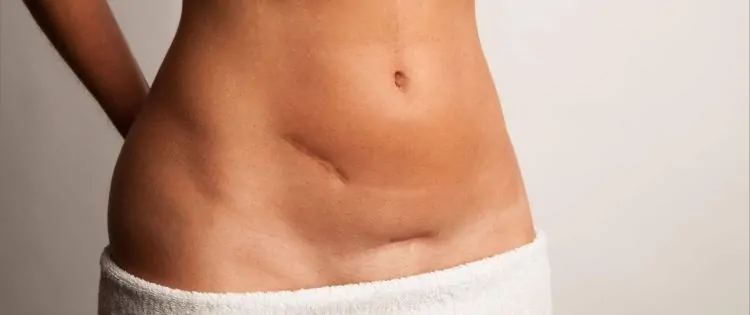
Surgical scar mesotherapy is a minimally invasive, targeted treatment to improve the appearance of scars left after operations, injuries or procedures such as a caesarean section, restructuring the tissue and bringing it as close as possible to normal skin. Every scar tells a story, but a raised, sunken, discoloured or hardened scar can be both aesthetically and emotionally troubling and affect confidence and quality of life.
The treatment activates the skin’s own repair mechanisms and transforms scar tissue from within. Specially formulated ingredients that remodel scar tissue, organise collagen fibres, balance pigmentation and increase elasticity are injected with very fine needles directly into or around the scar. Agents such as hyaluronic acid, growth factors, enzymes (collagenase, hyaluronidase), organic silicon, vitamins and amino acids act in deeper layers that creams cannot reach, aiming to soften hard, irregular scar tissue, match its colour to the surrounding skin and smooth its surface. At our clinic in Beşiktaş, Istanbul, I prepare protocols tailored to each patient’s scar type and tissue needs.
What Is Surgical Scar Mesotherapy?
When the skin is cut or injured, the body works hard to repair it, and the result is often scar tissue with a different structure from normal skin. In normal healing, collagen fibres form an orderly, basket-weave pattern; in scar tissue they are laid down randomly, irregularly and densely. This can make a scar hard, raised (hypertrophic), sunken (atrophic), darker (hyperpigmented) or lighter (hypopigmented) than the surrounding skin. Scar mesotherapy targets this disorganised structure to reorganise it for a more natural look. Its strength lies in delivering the right active ingredients, at the right concentration, to exactly the right place – the heart of the scar – through micro-injections into the mesoderm, without passing through the bloodstream or being blocked by the skin’s barrier, increasing effectiveness and minimising side effects.
The cocktail is the backbone of the treatment and is personalised according to the scar’s type, age (new or old), location and the condition of your skin, based on evidence-based principles:
- Enzymes such as collagenase and hyaluronidase, often used for hard, raised hypertrophic scars to break down excess, disorganised collagen so the scar softens and flattens.
- Organic silicon, a basic component of connective tissue that stimulates fibroblasts to rebuild collagen and elastin in a more orderly way, improving elasticity and smoothness.
- Growth factors, signalling molecules that mimic the skin’s own repair, encouraging healthy cell production, new blood vessels and tissue remodelling.
- Pure hyaluronic acid, particularly valuable for sunken (atrophic) scars, filling the depressed area with its water-holding capacity and stimulating fibroblasts for longer-term repair.
- Vitamins (especially C and A), antioxidants and amino acids, which support cellular health, reduce the oxidative stress behind colour irregularities and supply building blocks for new tissue.
Which Types of Scar Can It Help?
Every scar has its own character, so a detailed examination and scar analysis come first.
- Hypertrophic scars: raised, reddish and usually firm, but staying within the original wound. They result from excess collagen and are more common in high-tension areas (chest, back, shoulders) or after infected wounds. Enzymes such as collagenase and hyaluronidase help break down excess collagen, and micro-doses of corticosteroids can reduce redness and itching through their anti-inflammatory effect, lowering the scar and softening its texture.
- Atrophic scars: sunken below the skin surface, often after acne, chickenpox or surgical incisions that healed with too little tissue. Here the strategy is to stimulate tissue production: pure hyaluronic acid hydrates and plumps the depression, while fibroblast growth factors, amino acids and organic silicon signal the body to produce its own collagen and elastin. Combining mesotherapy with fractional laser or microneedling can enhance results.
- Keloids: like hypertrophic scars they result from excess collagen, but they grow aggressively beyond the original wound and have a strong genetic component. They are difficult to treat and tend to recur. Mesotherapy is usually used alongside other methods (cryotherapy, intralesional steroid injections, silicone sheets), giving a more even distribution of medication within the scar, helping to limit growth and easing symptoms such as pain and itching.
- Discoloured scars: lightening agents such as vitamin C, glutathione and tranexamic acid can lighten dark scars, while ingredients such as copper peptides may stimulate pigment in pale scars.
The Treatment Process
Consultation: Understanding Your Story and Planning the Way Forward
I ask how the scar formed, how long you have had it, whether you have had any previous treatment and what it means to you. The scar is examined by touch for firmness, elasticity and adhesion to surrounding tissue, and with a dermatoscope if needed to look at its vessels and pigmentation. Its type, location and your skin’s characteristics are then clear, and a personalised plan is created: the contents of the cocktail, estimated number of sessions, intervals and realistic expectations. Whether additional treatments such as laser, microneedling or silicone products are needed is also discussed.
The Procedure: Precise and Gentle
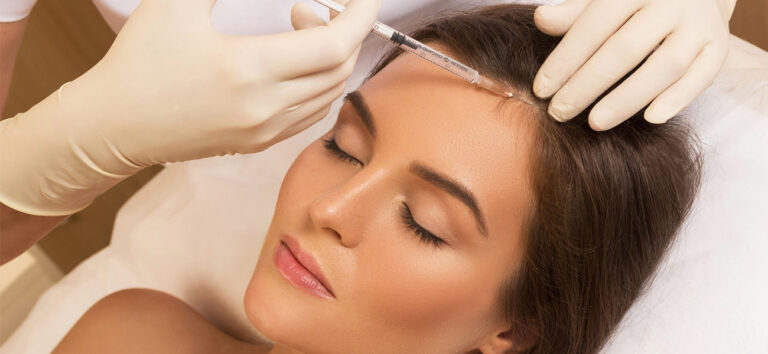
The scar area is carefully disinfected. Because the needles are extremely fine, the treatment is usually only mildly uncomfortable, but for sensitive areas or large scars a local anaesthetic cream can be applied about 30–45 minutes beforehand. The sterile, personalised cocktail is then injected in small amounts at set intervals and depths into and around the scar. The technique depends on the scar: for a raised scar, the medication is placed directly into the fibrous tissue; for a sunken scar, injections both fill the base and stimulate fibroblasts at the edges. It usually takes 15 to 30 minutes, and a soothing, repairing cream may be applied afterwards.
Aftercare and Visible Results
Recovery is quick and comfortable. Mild redness, small swellings or pinpoint bruises at injection sites are normal and usually disappear within 24 to 48 hours, and you can return to work or social life straight away. Aftercare usually includes keeping the area dry on the first day, avoiding intense exercise, saunas and hammams for a few days and, most importantly, protecting the scar from UV with an SPF 50+ sunscreen to prevent pigmentation.
Sessions are usually 2 to 4 weeks apart, with 4 to 8 sessions in total depending on the scar. Some softening and slight lightening may be noticed even after the first session, but clearer results usually appear after the 2nd or 3rd session as the tissue remodels. By the end of the course, the scar is typically much less noticeable, softer, smoother and closer in colour to the surrounding skin. Results vary between individuals.
Book Surgical Scar Mesotherapy
We will assess together whether it suits you.
This page is for general information. Suitability, possible side effects and expected results are assessed at a medical consultation; results vary between individuals.