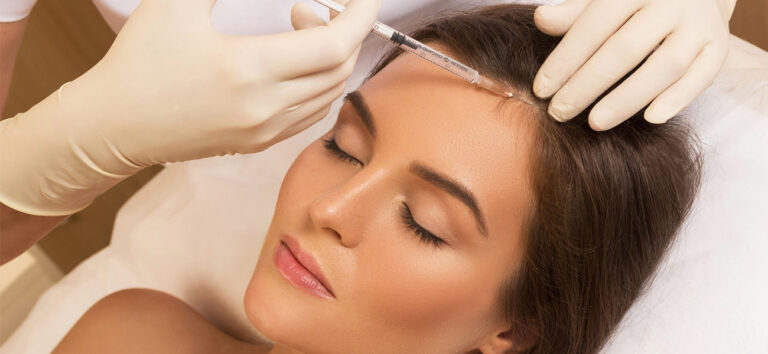

Pigmentation mesotherapy is a targeted and effective aesthetic treatment for hyperpigmentation – what most people simply call skin spots. Active ingredients that regulate the production of melanin (the pigment responsible for skin colour), lighten existing spots and help prevent new ones are injected through very fine needles directly into the middle layer of the skin (mesoderm).
Stubborn spots can appear after sun exposure, hormonal changes (pregnancy, the contraceptive pill), ageing, genetics or skin injuries such as acne. Where lightening creams and serums cannot pass the skin’s barrier to reach sufficient depth, mesotherapy carries powerful agents – vitamin C, tranexamic acid, glutathione, retinol, arbutin and multivitamin complexes – to the layer where the pigment-producing melanocytes are, for maximum effect. Existing spots can lighten noticeably and overall tone becomes more even, brighter and clearer. At our clinic in Beşiktaş, Istanbul, I prepare protocols tailored to each patient’s type of pigmentation, skin structure and needs.
What Is Pigmentation Mesotherapy?
Hyperpigmentation occurs when melanin is overproduced or deposited unevenly in an area. Melanin production is controlled by cells called melanocytes; sun damage, hormonal fluctuations, genetics or inflammation (acne, scars) can push them into overdrive, creating dark patches.
Traditional methods such as lightening creams, serums and peels act on the epidermis, but the skin’s barrier limits how much of their active ingredients reaches deeper layers, particularly the basal layer and mesoderm where melanocytes are concentrated. Pigmentation mesotherapy overcomes this by delivering lightening, melanin-suppressing and antioxidant formulations by micro-injection to exactly the depth needed, so the active ingredients reach their target cells directly.
The contents of the cocktail are the most critical factor and must be chosen by a physician according to your type of pigmentation and skin. Key ingredients include:
- Tranexamic acid: blocks an enzyme called plasmin, suppressing pathways that trigger melanin production and reducing the vascular component around spots – particularly successful for stubborn pigmentation such as melasma.
- Vitamin C (ascorbic acid): a powerful antioxidant that repairs free-radical damage and inhibits tyrosinase, the key enzyme in melanin production, while also supporting collagen and overall skin quality.
- Glutathione: one of the body’s strongest antioxidants, which helps shift melanin production towards lighter pigment and brightens overall tone.
- Arbutin, retinol, niacinamide (vitamin B3), azelaic acid and peptides, which act on different steps of melanin synthesis for a synergistic effect.
Thanks to its antioxidants and vitamins, the treatment also helps make the skin more resistant to future spots.
One Treatment for Different Types of Pigmentation
Spots are not all the same, and each forms differently. Because the formulation can be adjusted, pigmentation mesotherapy can be used for several common types:
- Melasma: symmetrical, irregular brown patches on the cheeks, forehead and upper lip, also known as the “mask of pregnancy”, triggered by hormones and sun – one of the hardest pigmentation problems to treat. Cocktails containing tranexamic acid address both its pigment and vascular components and can give pleasing results where topical treatments fall short. I combine sessions with suitable home-care products and, above all, strong sun protection for lasting results.
- Lentigines (sun and age spots): well-defined round or oval brown spots on the face, backs of the hands and décolletage after years of unprotected sun. Tyrosinase inhibitors such as vitamin C, retinol and arbutin delivered directly to the area help break up melanin and lighten the spots – also a good alternative for patients who are not suitable for laser or prefer to avoid it.
- Post-inflammatory hyperpigmentation (PIH): brown or reddish marks left after acne, eczema, burns or other skin injuries, as inflammation stimulates melanocytes. Cocktails with anti-inflammatory, lightening agents such as niacinamide and azelaic acid calm inflammation and help clear the pigment.

I listen to each patient’s history and, where needed, examine the spots with a dermatoscope to determine their type and depth before choosing the right cocktail and session plan. Treating pigmentation takes patience and care.
A Personalised Approach: The Treatment Process and Expectations
Consultation: Correct Diagnosis, Effective Results
I ask when the spots appeared, what makes them worse (sun, hormonal cycles and so on) and which treatments you have tried. Your skin is examined closely, with a dermatoscope if needed, to analyse the type (melasma, lentigo, PIH), depth and extent of pigmentation and your skin type (dry, oily, sensitive). If pigmentation mesotherapy suits you, a personal protocol is created: the number of sessions, intervals and the active ingredients of your cocktail – for example, a tranexamic acid-based mixture for stubborn melasma, or vitamin C and glutathione for sun spots and general dullness. The procedure, possible side effects, aftercare and expected results are explained openly.
The Procedure: Comfortable and Precise
On the day, the area is cleaned with an antiseptic and a strong local anaesthetic cream applied for about 20–30 minutes. The personalised cocktail is then injected with very fine, short needles (usually 4 mm) over the face, neck or décolletage, more densely over the spots, using either the “papule technique” or the more superficial, rapid “nappage technique”, depending on the pigmentation and the target layer. The whole procedure takes about 15–20 minutes and, thanks to the cream, is very comfortable – practical enough to fit into a lunch break.
Sessions, Recovery and Lasting Results
Pigmentation mesotherapy usually requires a course: typically 4 to 6 sessions, 7 to 14 days apart, depending on the type and severity. Slight redness, small bumps or pinpoint bleeding at injection sites are normal and usually settle within hours; by the next day the skin usually looks normal, and you can continue your day immediately. Visible lightening, more even tone and extra radiance are usually noticed after the 2nd or 3rd session, and results become clearer when the course is complete.
Maintaining results is as important as the treatment. Since the sun is the biggest trigger of pigmentation, using a broad-spectrum SPF 50+ sunscreen every day, even on cloudy days, is essential during and after treatment. I will also advise you on suitable home-care products and sun habits. Pigmentation treatment is teamwork: combined with your care at home, it is possible to achieve clearer, brighter skin and maintain it for a long time. Results vary between individuals.
Book Pigmentation Mesotherapy
We will assess together whether it suits you.
This page is for general information. Suitability, possible side effects and expected results are assessed at a medical consultation; results vary between individuals.