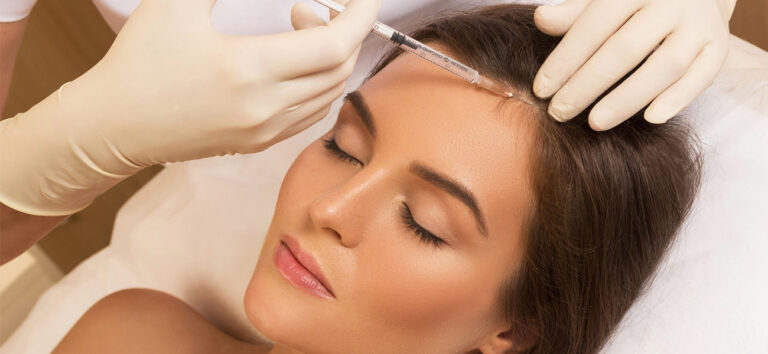
A peel is a very effective skin renewal treatment that removes dead cells, impurities and various imperfections from the outermost layer of the skin in a controlled way, revealing fresher, smoother and healthier skin beneath. By speeding up the skin’s natural renewal cycle, it addresses many concerns at once, from acne and acne marks to sun spots, fine lines and dullness. Peels vary by method and depth, and the best known and most widely used is the chemical peel.
At our clinic in Beşiktaş, Istanbul, I analyse your skin in detail and choose the most suitable, safe and effective peel protocol rather than a standard approach. The aim is to reveal bright, smooth skin without stressing or damaging it.
The Skin’s Renewal Cycle: Why Is a Peel Needed?
The skin constantly renews itself. New cells are born in the deepest layer of the epidermis (basal layer) and travel to the surface (stratum corneum) over about 28 days, where they fill with keratin and are shed as dead cells. In young, healthy skin this cycle runs smoothly. Ageing, sun damage, environmental factors and some skin conditions slow it down: from around our thirties, it lengthens to about 40 days in our forties and longer later on.
Dead cells then build up on the surface. The skin looks rough, dull and pale because it no longer reflects light evenly; pores can clog, creating the conditions for blackheads (comedones) and acne; serums and moisturisers cannot pass this barrier to reach where they are needed; and fine lines look more visible.
A peel supports this slowed renewal from outside. By removing the accumulated layer in a controlled way, it triggers the skin’s natural healing response: circulation increases, fibroblasts are stimulated to produce new collagen and elastin, and fresh, healthy cells rise to the surface. In a city with heavy pollution, regular professional peels help the skin function better and respond better to other anti-ageing treatments – a kind of periodic “spring clean”.
Chemical Peel
“Peel” is the general name for treatments that remove the dead cell layer and imperfections to restructure and revitalise the skin. The main types are mechanical (physical), enzymatic and chemical. In medical aesthetics, the chemical peel is used most often for targeted results: acidic solutions create a controlled injury that starts the peeling process and triggers healing, producing new, smoother, younger skin. Chemical peels are grouped by depth:
- Superficial peels: the most common and safest, acting only on the epidermis. Alpha hydroxy acids (AHAs) – glycolic acid (from sugar cane), lactic acid (from milk) and mandelic acid (from bitter almonds) – gently exfoliate, hydrate, reduce fine lines and superficial spots and give instant radiance. Beta hydroxy acids (BHAs), mainly salicylic acid, are oil-soluble and can penetrate pores to clear blockages, making them very effective for acne, blackheads and oily skin. Superficial peels are usually done as a course of 4–6 sessions 2–4 weeks apart; recovery is very short, and apart from slight redness there may be no visible peeling.
- Medium-depth peels: act on the whole epidermis and the upper dermis, for more noticeable spots, deeper wrinkles and acne scars. The most common agent is trichloroacetic acid (TCA) at 15% to 35%. Afterwards the skin becomes red and tight, then forms a brown crust and peels in flakes or sheets over about a week; good hydration and strict sun protection are essential.
- Deep peels: reach deeper into the dermis, for very deep wrinkles and severe scars, usually with phenol or high-concentration TCA. Because of their risks and long recovery, they are used less today and have largely been replaced by safer technologies such as fractional laser.
I choose the method according to your skin type, concern and social life. Before each peel the skin is prepared, and afterwards a personalised aftercare programme helps it repair and stay protected. A chemical peel is a medical procedure that should be performed by a trained, experienced physician in a clinical setting.
Which Skin Concerns Can It Help?
- Acne and acne-prone skin: one of the most common and effective uses. Oil-soluble acids such as salicylic acid penetrate deep into pores, clearing blackheads and whiteheads, balancing excess oil, helping inflamed spots settle faster thanks to anti-inflammatory properties and reducing bacteria to prevent new breakouts. Regular salicylic acid or Jessner peels (salicylic acid, lactic acid and resorcinol) play an important role in controlling acne.
- Acne marks: red or brown marks left after spots heal (post-inflammatory hyperpigmentation) and mild depressed scars (atrophic scars). Peeling speeds up shedding of pigmented cells, lightening marks, while deeper peels such as TCA stimulate collagen to help raise the base of depressed scars.
- Sun spots and age spots (lentigines) on the face, hands or décolletage, which superficial and medium peels such as glycolic acid or TCA can lighten, evening out tone.
- Melasma: symmetrical brown patches on the cheeks, forehead and upper lip, often triggered by hormones and sun, are among the hardest to treat. Peels can be used carefully as part of a combined approach with lasers and lightening creams.
- Fine lines and wrinkles: superficial peels smooth fine dehydration lines; medium peels stimulate collagen and elastin more strongly to soften more visible lines.
- Dull, rough texture: removing the dead cell layer gives instantly brighter, livelier, smoother skin with a healthy glow.
- Enlarged pores: clearing oil and debris and improving firmness helps pores look smaller.
The Procedure and Aftercare
A chemical peel acts directly on the structure of the skin, so success and safety depend on preparation and aftercare as well as the treatment itself.
Before treatment: your physician may recommend products such as retinoic acid, AHA creams or lightening agents for about 2–4 weeks beforehand, helping the acid penetrate evenly. Avoid waxing, epilation, scrubbing and other exfoliating products for at least a week before.
The procedure: the skin is cleansed and degreased with a special solution, and delicate areas such as the corners of the eyes, nose and lips are protected with a barrier cream. The chosen solution is applied quickly and evenly with a brush or cotton applicator. Mild burning, stinging or tingling is normal and depends on the acid and its strength. I watch the skin’s reaction (redness, whitening or “frosting”) closely, and after the planned time or reaction the acid is neutralised or rinsed off. Soothing creams and cold compresses may follow. It takes about 15–30 minutes.
Aftercare is the most critical stage:
- Sun protection: the most important rule. New skin is very sensitive to UV, and unprotected exposure can cause pigmentation and burns. For at least a month, use a broad-spectrum SPF 50+ sunscreen every day, even indoors, reapplying every 2–3 hours, and wear a hat and sunglasses.
- Intensive hydration: apply the soothing, barrier-repairing moisturisers your physician recommends generously several times a day.
- Gentle cleansing: wash only with the soap-free gentle cleanser recommended and lukewarm water; never rub, scrub or use a loofah.
- Do not pick: never pull off crusts or peeling skin; let the skin shed naturally, otherwise the risk of pigmentation and scarring increases.
- Avoid other actives: until healing is complete (usually 1–2 weeks), pause retinol, AHA/BHA products, alcohol-based toners and anything else that may irritate.
Following these rules carefully, recovery is smooth and you can enjoy the fresh, smooth, bright skin underneath.
Book Chemical Peel
We will assess together whether it suits you.
This page is for general information. Suitability, possible side effects and expected results are assessed at a medical consultation; results vary between individuals.