Eye area anti-ageing covers all the aesthetic approaches used to protect and restore the health and youthfulness of the eye area – the most delicate part of the face and often the first to show ageing. Our eyes reflect our expression and mood most strongly, but fine lines, crow’s feet, bags, dark circles and sagging can make us look tired, sad or older.
Eye area anti-ageing addresses these concerns with personalised, multi-faceted protocols that respect the area’s delicate anatomy. Rather than focusing on one problem, it treats the eye area as a whole: Botox to soften expression lines, under-eye light filler to correct hollows, and methods such as mesotherapy to improve skin quality. At our clinic in Beşiktaş, Istanbul, I analyse each patient’s eye area in depth to achieve the most natural, effective result – bringing back a lively expression and a more rested, brighter look.
Why Does the Eye Area Age First? A Delicate Anatomy
It is no coincidence that time shows first around the eyes. The skin here is about 3 to 5 times thinner than elsewhere on the face – only about 0.5 mm on average – with less supporting tissue, fewer collagen and elastin fibres and few oil glands, so it is naturally drier and more vulnerable.
The area is also constantly in motion. We blink, smile, squint and frown tens of thousands of times a day, contracting the circular orbicularis oculi muscle and folding the thin skin again and again. Young, elastic skin springs back, but as collagen and elastin weaken, these dynamic lines become static wrinkles known as crow’s feet.
The supporting structures beneath the eye also age. The fat pads cushioning the eye sit behind a thin membrane (orbital septum) that weakens and loosens with age, allowing fat to bulge forward and form eye bags. At the same time, fat beneath the eye and in the cheeks shrinks and bone recedes, creating hollows known as the tear trough. This volume loss casts shadows that are one of the main causes of dark circles. Circulation of blood and lymph is also slower here, so fluid and toxins drain more slowly, leading to morning puffiness and more visible darkness. Lack of sleep, stress, pollution and heavy screen use add further strain. An effective programme must take all these factors into account.
Eye Area Anti-Ageing
Because the eye area shows several aspects of ageing at once, a single “magic” treatment is rarely enough. The best results come from combining treatments that target different problems – like conducting an orchestra in which each instrument plays at the right moment. A treatment plan usually targets three categories:
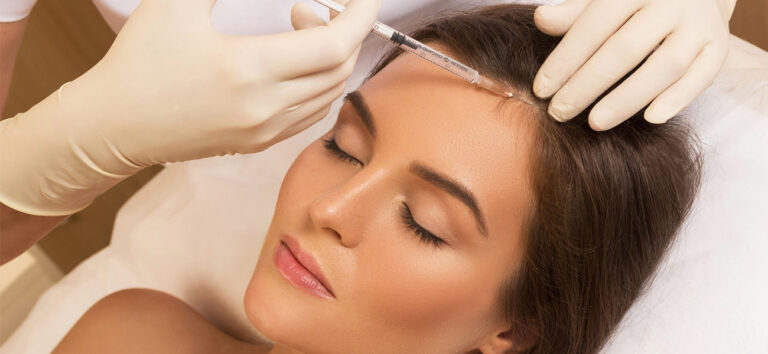
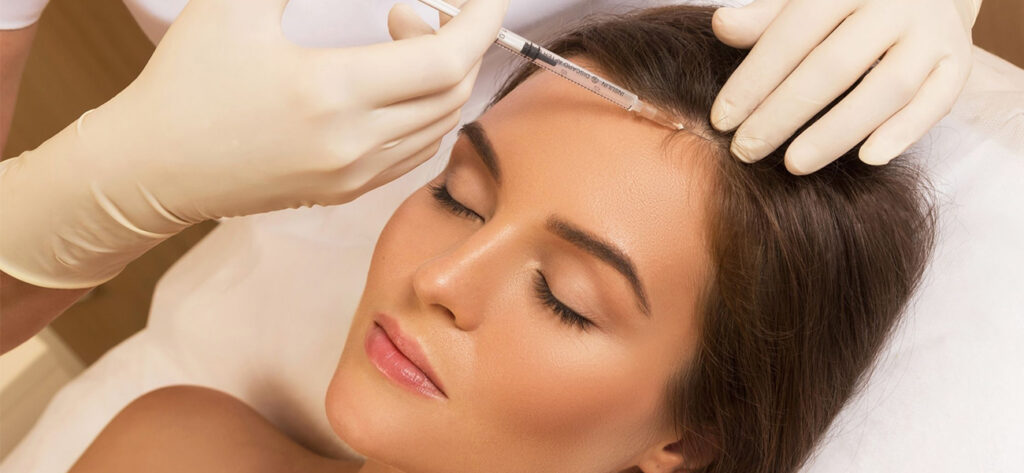
- Dynamic wrinkles (crow’s feet): caused by overactivity of the orbicularis oculi muscle. The gold standard is Botox (botulinum toxin type A), which temporarily blocks the nerve signal to the muscle, preventing excessive contraction so that existing lines soften and new ones are less likely to form. It is injected in small doses with very fine needles, lasts about 4–6 months and, done well, gives a natural, rested look without freezing expression.
- Volume loss and hollows (tear trough): the most effective solution is under-eye light filler, a hyaluronic acid filler designed for this delicate area, with low water-binding capacity and a restructuring complex of amino acids, antioxidants and vitamins that also improves skin quality. It is usually placed on the bone with a blunt cannula to minimise bruising and complications, filling the groove, removing the shadow and brightening the area – hence the name “light filler”.
- Skin quality (darkness, fine lines, dryness): anti-ageing mesotherapy or skin boosters deliver hyaluronic acid, vitamins, minerals, peptides and antioxidants directly into the dermis, stimulating collagen, increasing hydration and thickening thin skin. PRP uses growth factors from your own blood to activate repair and improve circulation. Technologies such as fractional laser and focused ultrasound (HIFU) may also be included for skin tightening and collagen stimulation.
Solutions for Crow’s Feet and Expression Lines
Crow’s feet, the fine lines fanning out from the outer corners of the eyes, begin as dynamic lines that appear only when we smile or squint. Over time, as elasticity falls and movement repeats, they become static wrinkles visible even at rest, making us look older and reducing the energy of our expression. When we smile, the outer part of the orbicularis oculi contracts strongly and folds the skin like an accordion; young skin springs back, but with less collagen and elastin and with sun damage, each smile begins to leave a lasting mark.
Botox is the gold standard here. It is a purified protein that, in the form used in aesthetic medicine, is very safe and effective. It temporarily blocks the release of acetylcholine, the messenger that tells muscles to contract. Injected in very small doses into the outer fibres of the muscle, it prevents excessive contraction, so dynamic lines almost disappear, static lines soften as the skin has a chance to repair itself, and new lines are less likely to form – making Botox both corrective and preventive.
Naturalness is my priority. The aim is to avoid a frozen “mask face”. I analyse each patient’s muscles and smile dynamics to create a personal dose and injection plan; done correctly, Botox does not stop you smiling, it only removes the wrinkles your smile creates at the corners of your eyes. Placed at the right points, it can even give a slight lift to the tail of the brow. Where lines are very deep and there is tissue loss, a hyaluronic acid skin booster or PRP in this area can complement Botox for a smoother result.
Modern Approaches to Dark Circles and Hollows
Dark circles and hollows can make us look more tired, sleepless or even unwell than almost anything else, and neither sleep nor concealer usually solves them. Several factors are often involved, so correct diagnosis comes first:
- Volume loss and anatomy: the most common cause. With age or genetics, fat beneath the eye shrinks and cheek support slides down, creating the tear trough between the lower eyelid and cheek. This hollow absorbs light and casts a shadow perceived as darkness. Under-eye light filler, placed just above the bone with a blunt cannula, gently fills the groove so the area reflects light better and looks brighter and more rested.
- Thin skin and visible vessels: because the skin is so thin, the purplish muscle and blue-green vessels beneath can show through, especially in fair skin. Here, treatments that improve skin quality come first: mesotherapy or skin boosters thicken the skin and increase its collagen content, reducing show-through, and PRP can help by regulating circulation and supporting repair.
- Increased pigmentation: sometimes the darkness is caused by excess melanin, due to genetics (especially in darker skin), sun exposure or constant rubbing from allergies or eczema. Treatment may include mesotherapy products with brightening ingredients (such as vitamin C, arbutin or tranexamic acid), lasers designed for pigmentation and special eye creams. Sun protection is essential.
I assess each patient’s under-eye concern under these three headings, and the best results usually come from a combination – for example, under-eye light filler for volume loss followed by a few sessions of mesotherapy or PRP to improve skin quality and any remaining discolouration. This holistic approach targets each problem with the right tool for the most natural, bright and lasting result.
Book Eye Area Anti-Ageing
We will assess together whether it suits you.
This page is for general information. Suitability, possible side effects and expected results are assessed at a medical consultation; results vary between individuals.