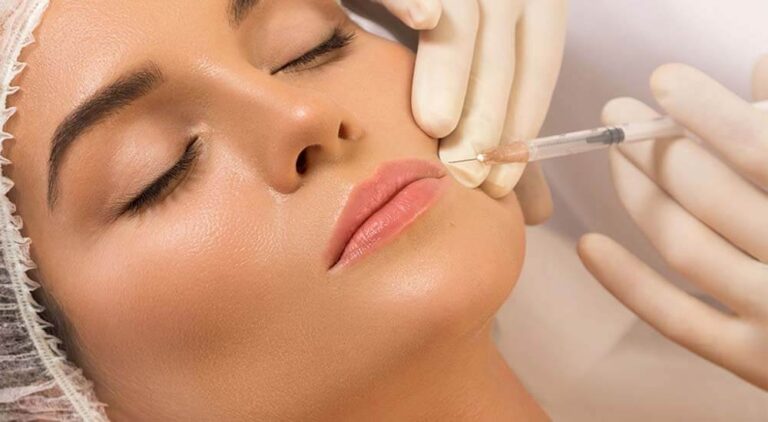
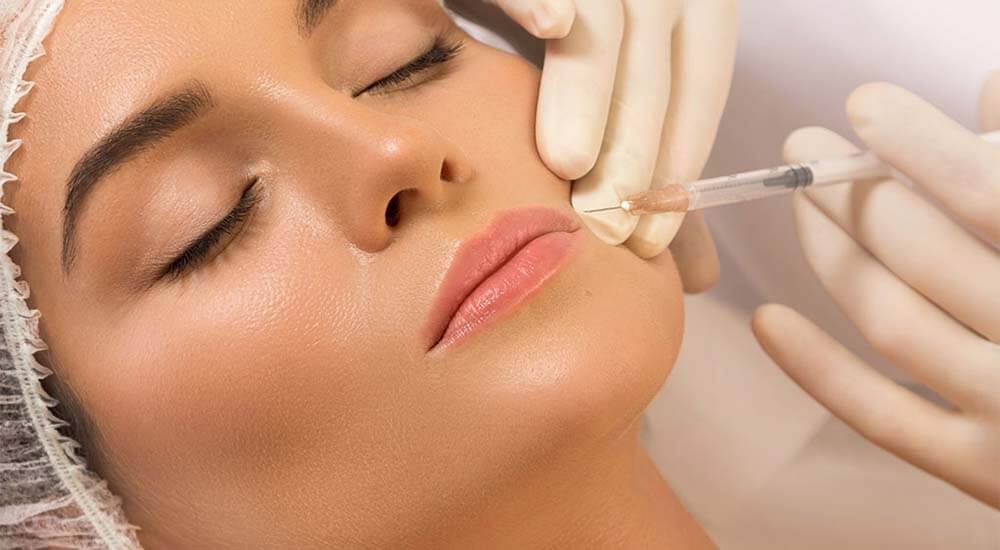
Lip filler is one of the most popular and transformative aesthetic treatments. It refreshes facial expression and gives the lips a fuller, more defined and more symmetrical look. Beyond the aesthetic improvement, it can have a positive effect on self-confidence and the way a person expresses themselves.
Lip filler is used to reshape lips that are naturally thin, have lost volume over time, have blurred contours or are asymmetrical. Today it is done with hyaluronic acid, the safest and most effective filler material. Hyaluronic acid is a polysaccharide found naturally in the body that gives the skin moisture, elasticity and volume. When injected it is highly compatible with the body, carries a low risk of allergy and is gradually broken down by natural metabolism.
At our clinic in Beşiktaş, Istanbul, I consider each patient’s facial anatomy, expectations and personal sense of beauty as a whole. Rather than standardised, artificial-looking results, the aim is subtle work that brings out natural beauty and does not look “done”. The success of lip filler depends as much on the physician’s eye, knowledge of anatomy and experience as on the product. It is not simply about “plumping” the lips: it can define the Cupid’s bow of the upper lip, soften fine vertical lines around the mouth, gently lift the corners of the mouth and balance the proportion between the upper and lower lip. Getting this balance right can replace a tired or sad look with a livelier, more positive expression.
The Role of the Lips in Beauty
The lips sit at the aesthetic centre of the face and are one of the strongest elements of communication and expression. They are among the first things noticed when we speak, smile or show emotion, and have long been a universal symbol of beauty, youth and attractiveness. Full, hydrated, well-defined and symmetrical lips give the face a healthy, dynamic look.
Ideals of beauty change across cultures and eras, but certain proportions are widely seen as harmonious. These describe how the lips relate to the nose, chin and overall face. Typically the lower lip is about 1.6 times fuller than the upper lip, the Cupid’s bow is clearly defined and the lips look symmetrical from the front. Not everyone is born with these proportions; genetics can make lips naturally thin or asymmetrical.
Ageing is another major factor. Production of collagen, elastin and hyaluronic acid falls over time, and the lips lose volume, become thinner and less elastic, and their contours fade. The lips can turn inwards, and vertical lines – often called smoker’s lines or barcode lines – appear, especially on the upper lip. These changes can make the face look tired, older or even sad.
Many patients who come to our clinic in Beşiktaş say that being unhappy with their lips affects how comfortable they feel socially. Lip filler is not only a physical change; for many people it is also a renewal of confidence. It is designed to restore lost volume, redefine contours, correct asymmetry and soften fine lines, giving a younger, fresher look without changing your natural expression. The aim is not to look like someone else but to become the best version of yourself, which is why a detailed facial analysis and open communication beforehand are key to a natural, satisfying result.
Lip Filler
Lip filler is the injection of a filler, usually hyaluronic acid based, into the lip tissue to add volume, redefine shape, sharpen contours and correct asymmetry. As a minimally invasive procedure with no surgery, it is quick and comfortable and gives visible results straight away, which is why it is so popular worldwide and in Istanbul.
Hyaluronic acid occurs naturally in connective tissue, joints and skin and has a high capacity to hold water, so it adds moisture, fullness and smoothness where it is placed. Medical-grade hyaluronic acid fillers produced with biotechnological methods are highly biocompatible, so the risk of allergic reaction is very low and they are safely broken down over time. At our clinic I use only approved, quality-proven products from leading brands. Because every patient’s lips, needs and goals are different, the type of filler – its thickness, elasticity and longevity – is chosen individually: some focus on volume, others on contour and fine lines.
The process begins with a detailed consultation. We discuss your expectations, and I examine your facial anatomy, the current shape and symmetry of your lips and their proportion to the rest of your face. You get realistic information about possible results, and we create a treatment plan together.
On the day, a strong local anaesthetic cream is applied about 20–30 minutes beforehand so the area is fully numb; if needed, a dental-style nerve block can also be used. The lips are cleaned with an antiseptic, and the filler is injected slowly and carefully with very fine needles or blunt-tipped cannulas. Cannulas are often preferred because they reduce the risk of bruising and tissue trauma. Gentle massage may be used to spread the filler evenly and shape it. The procedure usually takes 15 to 30 minutes.
Part of the result is visible immediately, but the final result becomes clearer over a few days as the filler draws in water and integrates with the tissue. Mild swelling, tenderness or small bruises are normal and temporary and usually settle within a few days; ice can help. You can return to your daily activities right away.
Techniques and Natural Results
A natural, satisfying result depends on choosing the right technique and combining it with the physician’s eye and experience. Instead of one standard approach, each patient’s anatomy, lip shape and expectations call for a personal plan. Several techniques have been developed for more natural, elegant results, each targeting different parts of the lip. I follow current techniques and choose the most suitable one, or a combination, for each patient.
Russian technique (Russian Lips): the aim is not to push the lip forward but to increase its height for a flatter, lifted look. Injections are placed vertically in the red part of the lip (vermilion). It is ideal for defining the Cupid’s bow and giving a heart-shaped form, with an elegant, flat profile far from an exaggerated “duck lip” look.
Linear injection technique: the needle or cannula is moved along the lip contour and the filler is placed in a line as it is withdrawn. It is effective for defining the lip border and giving a crisp outline, and can also add volume to the red part of the lip.
French technique (Paris Lips): an approach that respects the natural curves of the lip and gives very natural results. More volume is placed in the centre of the lips and less towards the corners, so the lips look fuller in the middle without an artificial look at the sides. Targeting the small “cushions” (tubercles) of the upper and lower lip creates a natural fullness.
The key to natural results is “less but better”. The goal is to highlight existing beauty and correct what is missing, not to over-inflate. A large amount of filler in one session is avoided; a gradual approach is often used instead. A modest amount is placed first and you are seen again after 2–4 weeks, when small touch-ups can be made if needed. This lets you get used to your new look and avoids an overdone result.
The quality and properties of the filler – its flow, elasticity and lifting capacity – also affect how natural the result looks. Softer, more fluid fillers suit fine lines and subtle volume, while denser, cross-linked fillers are chosen for more noticeable volume and shaping. Combining the right product with the right technique creates lips that stay natural even when you move and speak.
Aftercare and How Long It Lasts
The result also depends on how carefully you follow the aftercare instructions. Good aftercare speeds recovery, keeps swelling and bruising to a minimum and helps the filler last. After every lip filler treatment at our clinic, you receive detailed, personalised aftercare advice.
Be gentle with the area. For the first few hours, avoid touching, rubbing or massaging your lips so the filler can settle. Some swelling, oedema and tenderness in the first 24–48 hours is expected. Cold compresses or an ice pack wrapped in a clean cloth, used at intervals (for example 10–15 minutes every hour), help reduce both swelling and bruising.
On the day of treatment and the next day, avoid anything that increases blood flow and swelling: intense exercise, saunas, hammams, steam rooms and very hot showers. Avoid alcohol for at least 24 hours, as it can increase bruising. Unless your doctor advises otherwise, it is also best to avoid blood-thinning medicines and supplements such as aspirin, vitamin E, fish oil, garlic and green tea for a few days.
On the first day, avoid very hot or very cold food and drink and hard foods that need a lot of chewing. Drinking plenty of water helps, as it supports hyaluronic acid’s water-holding capacity. Wait at least 24 hours before applying lipstick or other make-up so the injection points can close fully and the risk of infection is reduced.
Hyaluronic acid fillers are not permanent; the body breaks them down naturally over time. How long they last depends on your metabolism, age and lifestyle (such as smoking and sun exposure), and on the brand, type, cross-linking and amount of filler used. On average, lip filler lasts 9 to 18 months, after which the lips gradually return to their earlier state and the treatment can be repeated. There are observations that regular treatments may stimulate collagen and extend longevity a little. As results and aftercare vary slightly from person to person, always get the most accurate advice and personal aftercare plan from the physician treating you.
Book Lip Filler
We will assess together whether it suits you.
This page is for general information. Suitability, possible side effects and expected results are assessed at a medical consultation; results vary between individuals.