
On this page
Migraine Botox (Chronic Migraine Treatment)
What Is Migraine Botox?
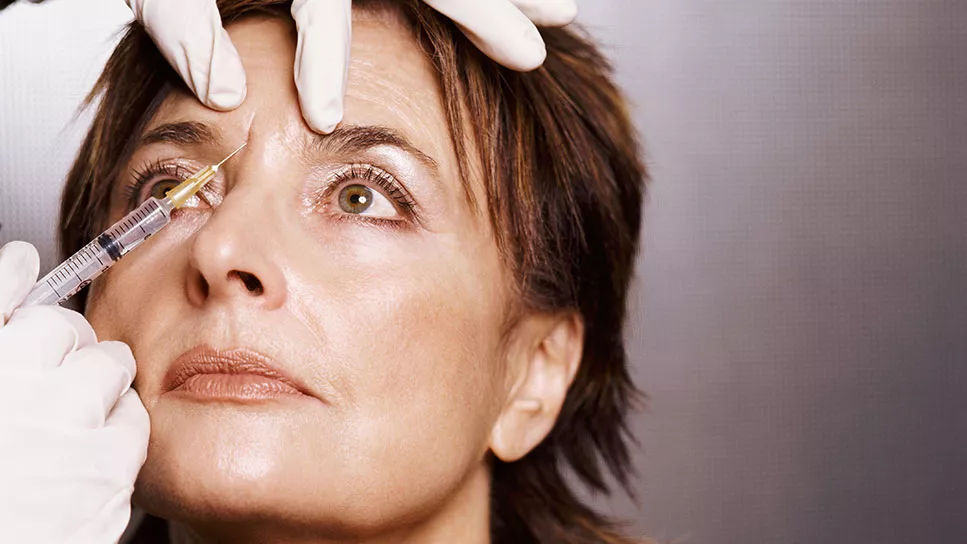
Migraine Botox is the injection of botulinum toxin type A into specific head and neck muscle groups following a standard protocol as a preventive treatment for chronic migraine.
Unlike cosmetic toxin treatments, this approach is part of the treatment plan for a neurological condition.
What Is Chronic Migraine?
Chronic migraine is defined as headache occurring on 15 or more days a month, with migraine features on some of those days.
Migraine Botox is considered as a preventive treatment option particularly for this group of patients.
What Is Known About How It Works
The effect of botulinum toxin type A in chronic migraine is thought not to be limited to muscle relaxation.
It has been suggested that, through modulating effects on neuropeptide release at peripheral sensory nerve endings and on pain transmission pathways, it may help break the pain cycle associated with migraine.
These mechanisms are multifactorial and scientific research is ongoing.
Scientific Evidence
The efficacy and safety of botulinum toxin type A for chronic migraine have been evaluated in particular in the PREEMPT clinical trials and pooled analyses of these trials.
These studies reported that botulinum toxin treatment was associated with positive effects on headache frequency, migraine-related quality of life and daily functioning.
Treatment Protocol (Clinical Approach)
In chronic migraine, the treatment is planned using defined injection points and muscle groups.
Treatments are usually repeated at set intervals, and the response is monitored clinically.
The injection scheme and repeat interval are determined individually, in line with guidelines and clinical assessment.
Who Is It Considered For?
Migraine Botox is generally considered for patients with a diagnosis of chronic migraine for whom it is deemed suitable as a preventive treatment by a neurologist.
The treatment decision is made after a detailed medical history and clinical assessment.
How Is the Treatment Monitored?
Treatment effectiveness is monitored through clinical parameters such as:
- Number of headache days
- Severity of attacks
- Frequency of acute painkiller use
- Impact on daily life
The response to treatment is often assessed more reliably after more than one treatment cycle.
Possible Side Effects and Safety
Because migraine Botox is a medical treatment, assessing side effects and safety is important.
The most commonly reported effects include tenderness at the injection site and temporary discomfort in the neck. In rare cases, effects such as muscle weakness may occur.
The treatment should be carried out following an appropriate medical assessment and in line with medical standards.
Important Information
The information on this page is for general purposes only. Migraine Botox is a personalised treatment approach that requires neurological assessment.
Suitability and the treatment plan are determined on the basis of clinical examination and medical history.
Book Migraine Botox
We will assess together whether it suits you.
This page is for general information. Suitability, possible side effects and expected results are assessed at a medical consultation; results vary between individuals.